Product Releases
Sep 30, 2026
How CRE Operators Prove ROI From Building Operations Software
Five steps to go from "it feels valuable" to a business case your buying committee approves.
Industrial real estate is back in play. What you own and how you run it will determine your returns.
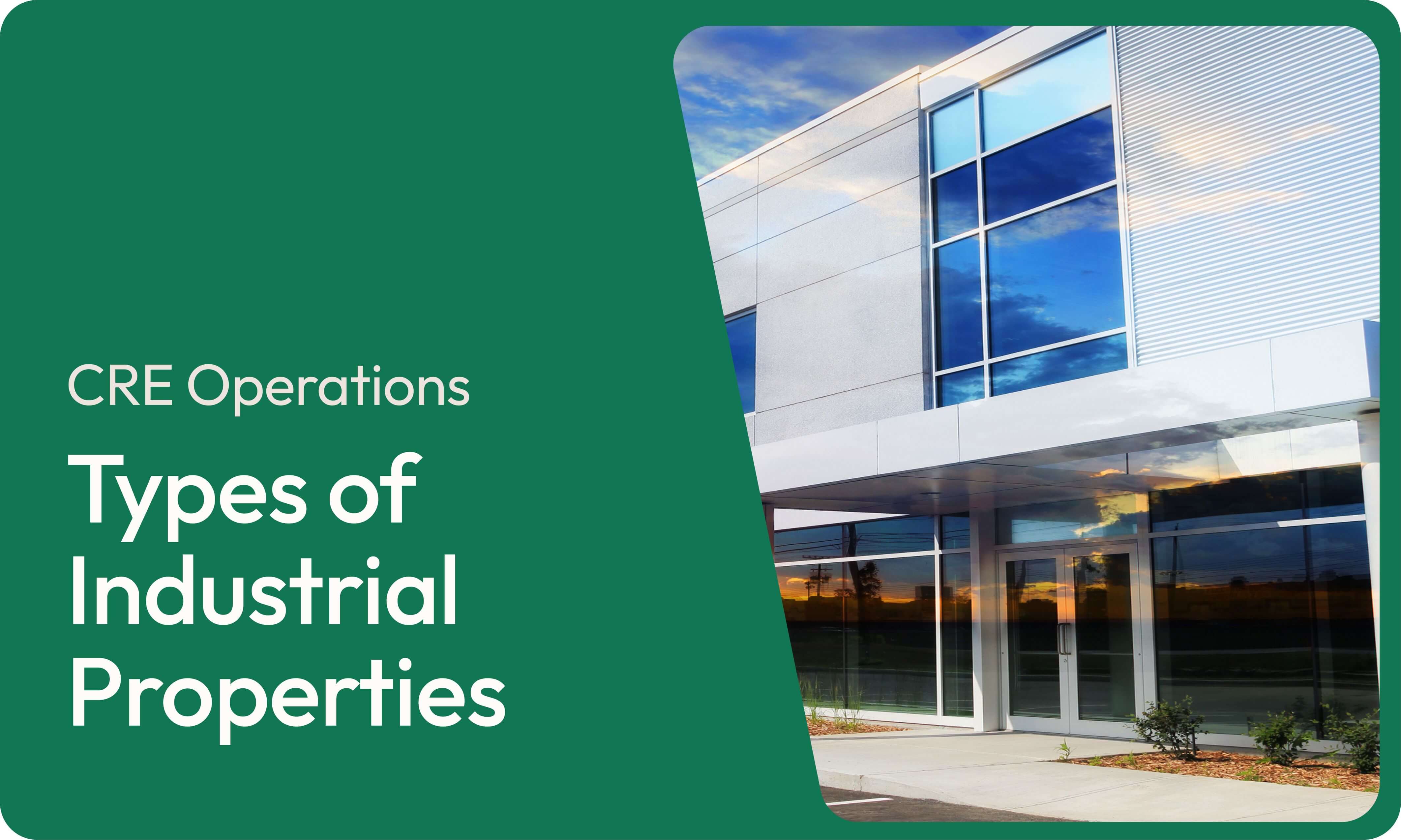
The industrial property sector is bifurcating between assets that perform and assets that sit.
Senior industry leaders canvassed for the PwC and Urban Land Institute's Emerging Trends in Real Estate Global Outlook 2026 note that a significant share of what is currently on the market is simply mediocre. Meanwhile, JLL shares that overall vacancy across industrial properties climbed to 7.5 percent in 2025, yet leasing activity increased 8.5 percent over the same period. Or, in other words, the investors and operators who know how to identify and back the right industrial property types are the ones positioned to capture the upside.
Understanding the types of industrial properties available, what each one demands from your team, and how to run them at their full potential is where that advantage starts.
This guide is built for industrial property owners and operators who want to know how to extend equipment lifecycles, reduce risk, streamline tenant and vendor compliance, and make better operational decisions for their industrial tenants.
Industrial properties development spans a wider range of asset types than most investors expect, and the industrial property definition in real estate covers far more than warehouses and factories.
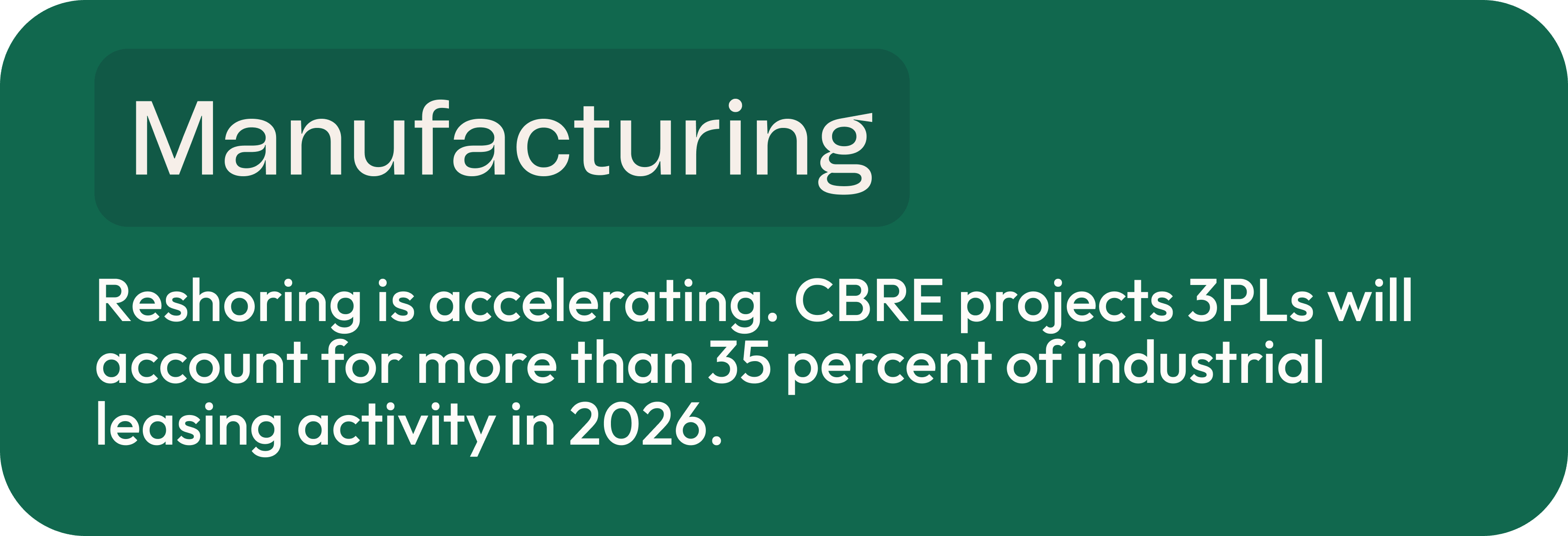
Manufacturing facilities are where goods are produced and assembled, and equipment is the asset within the asset. Heavy manufacturing, light assembly, high-tech assembly, clean rooms, R&D facilities, and incubator spaces each carry distinct infrastructure requirements, but they share one operational truth: unplanned downtime costs the tenant and the landlord. They need:
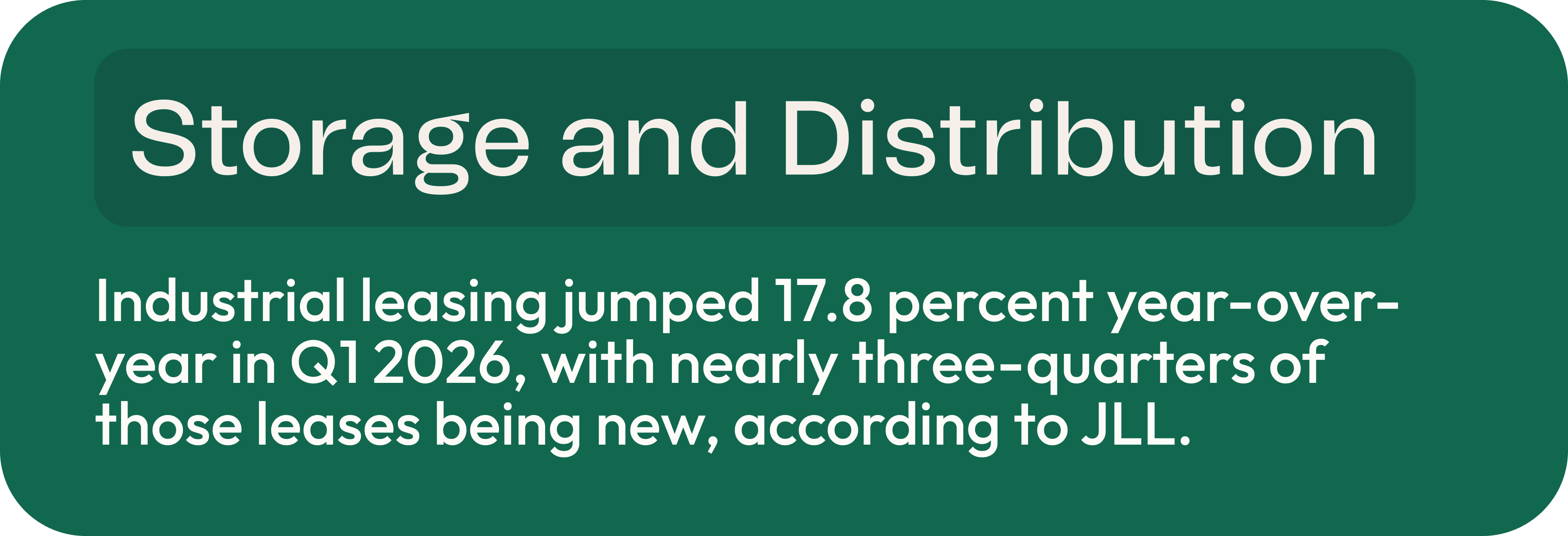
Storage and distribution is the most operationally diverse category in industrial real estate, spanning distribution warehouses, fulfillment centers, general-purpose warehouses, refrigeration and cold storage, cross-dock facilities, container freight stations, truck terminals, rail-served warehouses, and hazardous material storage. A well-located building in a supply-constrained corridor will outperform a larger, newer one in the wrong place almost every time.
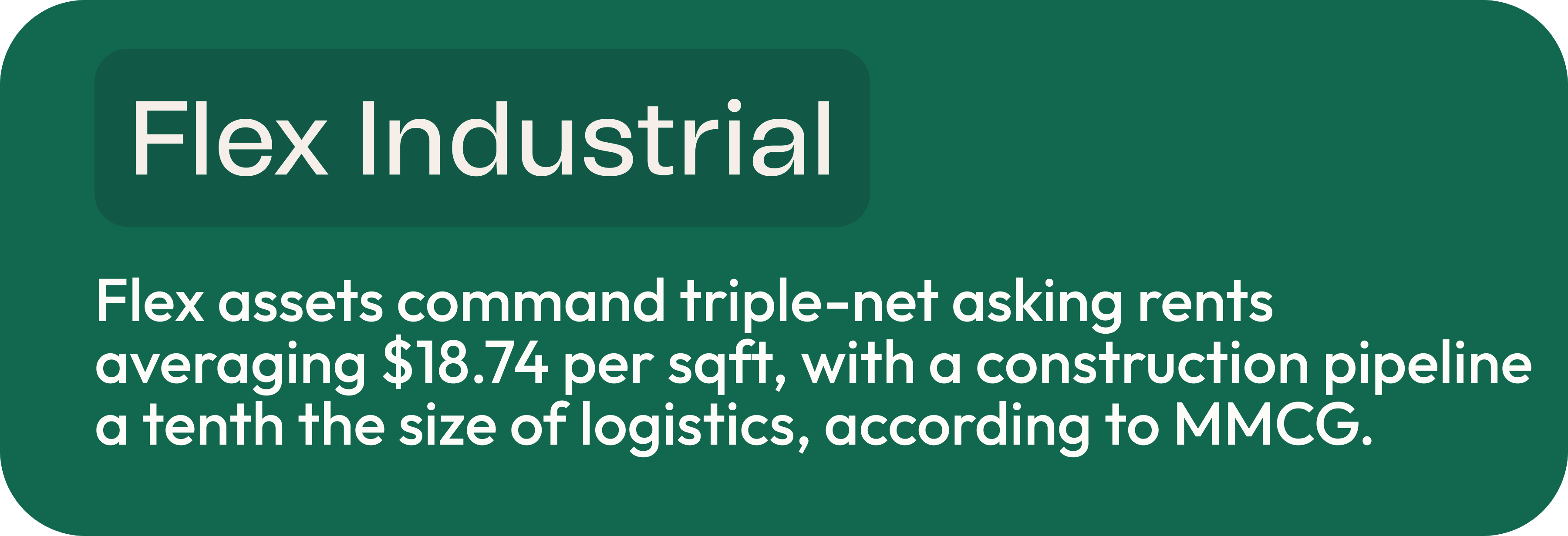
Flexible warehouses and industrial showrooms combine warehouse and office use in a single footprint, which is the category's competitive advantage and its operational complexity in equal measure, requiring:

Special-purpose industrial properties like data centers, controlled-environment grow facilities, and refineries sit at the highest end of the infrastructure and capital requirement spectrum. Building systems here are as specialized as the operations they support:
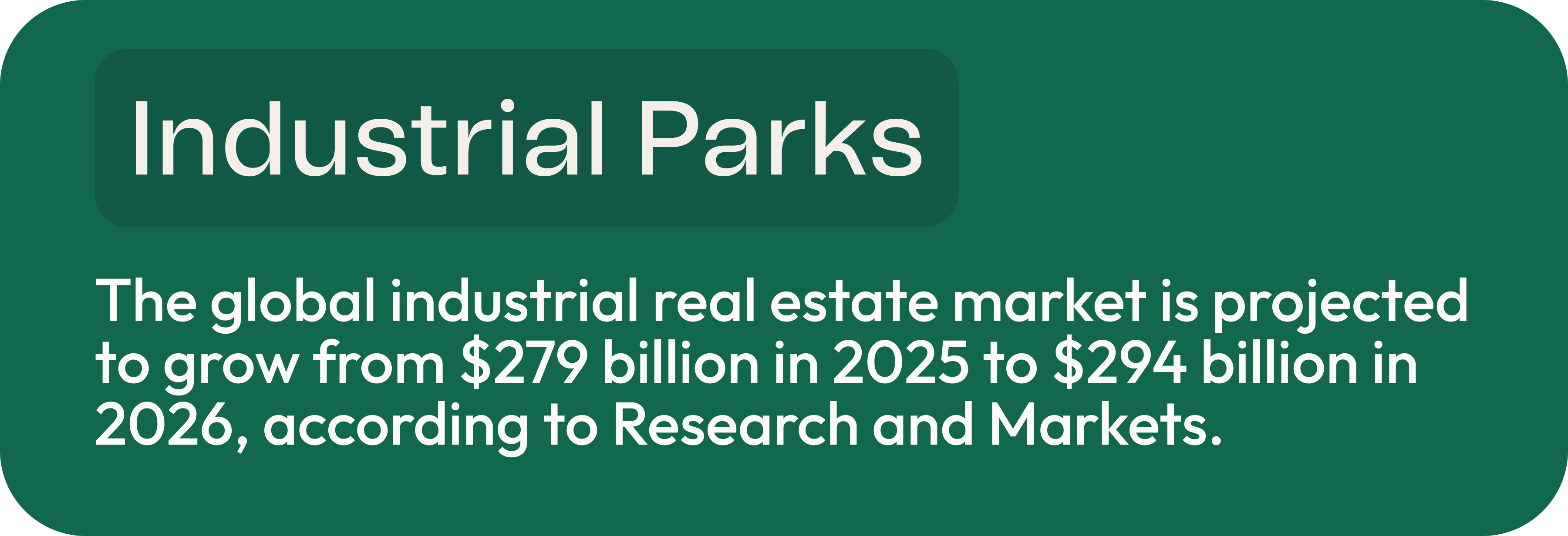
Industrial parks combine production, storage, distribution, and flex facilities on a single site, often serving businesses whose operations complement each other. The complexity of running multiple industrial property types with different compliance obligations and vendor networks in parallel requires:
The gap between a high-performing asset and a mediocre one often comes down to decisions made before the investment is signed:
So, make sure to assess:
The gap between a high-performing industrial portfolio and a mediocre one is almost always operational, but with Visitt, there doesn’t have to be a gap at all. Visitt’s AI property management software platform is built for the complexity that industrial portfolios produce at scale, giving your team the visibility to extend equipment lifecycles, reduce risk, and stay ahead of compliance obligations across all your industrial properties.
If you’re ready to run every industrial property type at its full potential, talk to our team and explore how we can work together.
Industrial real estate is commercial property used for manufacturing, storing, distributing, or processing goods at scale. It covers everything from heavy manufacturing plants and bulk warehouses to data centers and controlled-environment grow facilities. Industrial properties are valued primarily for their functional infrastructure and location relative to supply chains.
Flex warehouses and general-purpose storage facilities offer the most accessible entry point for investors new to the industrial sector. They require less specialized infrastructure than heavy manufacturing or data centers, appeal to a broader tenant base across e-commerce and logistics, and provide more frequent opportunities to reprice rents as market conditions shift.
Industrial assets rely heavily on specialized vendors for equipment maintenance, dock servicing, and compliance inspections, making vendor management more operationally critical here than in most other commercial property types. Centralizing operations in a single platform reduces the risk of gaps that directly affect tenant operations and regulatory standing.
Visitt centralizes work order management, preventive maintenance scheduling, vendor management, and compliance tracking across every industrial property type in a single interface. Teams managing assets across multiple regions and languages apply the same operational standards at every asset, without switching between systems or losing asset-specific context.
The biggest compliance risk in industrial real estate is the gap between what your lease requires and what your team can verify across a large portfolio. Visitt centralizes certificate of insurance validation, inspection records, and compliance documentation across every asset type, so industrial property teams spend less time chasing paperwork and more time managing buildings.


Insights, trends, and practical ideas for smarter commercial real estate operations.

Discover how Visitt transforms operations and tenant
experience, portfolio-wide.