Product Releases
Sep 30, 2026
How CRE Operators Prove ROI From Building Operations Software
Five steps to go from "it feels valuable" to a business case your buying committee approves.
Knowing which factors drive a CapEx decision is what separates strategic capital planning from reactive spend.
Commercial real estate capital expenditures have always required discipline. Every capital expenditure project decision a CRE team makes carries consequences that extend well beyond the project itself. And when it comes to larger portfolios, the stakes are even higher.
A well-sequenced investment protects asset value and keeps NOI on track. A mistimed one ties up capital that a higher-priority property needed months earlier, and at portfolio scale, that gap compounds.
ODCE data shows institutional CapEx spending predominantly offsetting positive market value change in a low-return environment where every basis point matters. Capital is clearly moving across the industry.
The teams protecting NOI are the ones making sure it moves in the right order, planned around the right factors, and informed by what their buildings are telling them, day to day.
Is yours?
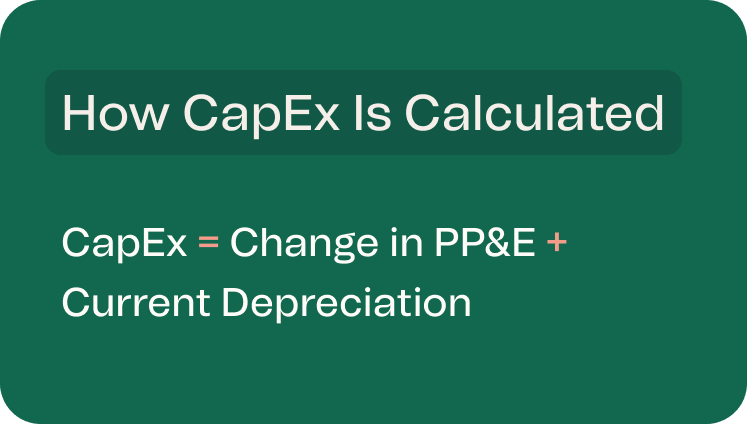
As portfolios grow, so does the range of projects that qualify as CapEx in commercial real estate. The formula is the same across every project, but each project type carries a different risk profile, return timeline, and strategic weight.
Once teams can see their capital needs by category, they can start planning smarter. The right factors, the right evaluation criteria, and the right prioritization decisions all follow from there, moving commercial real estate CapEx projects from reactive spend to proactive planning, much like Visitt's centralized approach to commercial real estate property management (as we'll share below.)
Every CapEx project in commercial real estate is shaped by a set of factors that determine whether the investment protects value or creates new risk.
Commercial property inspections and preventive maintenance records tell you what the asset needs:
Lease structure and occupancy data shape the return case for every capital improvement:
The regulatory environment affecting commercial assets keeps shifting, and capital plans need to account for it:
CRE data analytics tell you where the asset stands relative to what tenants can choose instead:
Property management KPIs and portfolio cash flow determine what is actually executable:
Every capital spending project needs to clear two bars: whether the investment is worth making, and where it ranks against everything else in the portfolio competing for the same budget.
Before committing capital:
During execution:
After the investment closes:
The best-performing commercial real estate portfolios share one operational advantage: the data their buildings generate every day feeds directly into the decisions that determine where capital goes next.
Visitt's AI-native building operations platform is built for exactly that. Preventive maintenance workflows and work order management history are centralized in a single operations dashboard, giving portfolio teams the asset condition visibility to identify issues earlier and reduce avoidable CapEx costs over time. And SLA tracking and real-time communication run on the same platform, so the inputs that inform capital decisions stay current across every property.
With Visitt, better facility management data means faster execution, stronger accountability, and capital plans that reflect what buildings need, when they need it:
If your team is ready to connect day-to-day operations to smarter capital planning, talk to our team and explore how we can work together.
CapEx projects are initiatives that cover any spending a CRE team makes to acquire, improve, or extend the life of a physical asset. This includes major building upgrades, structural repairs, equipment replacements, and technology investments that add long-term value to the property. Namely, if the investment delivers value beyond a single year and improves or preserves the asset, it qualifies as capital expenditure.
Buildings that receive consistent capital investment stay competitive, retain tenants longer, and hold their asset value over time. Properties that defer CapEx too long face higher costs when work eventually becomes unavoidable and risk losing tenants to better-maintained alternatives in the same market.
CapEx covers investments that improve or extend a property's useful life beyond one year. OpEx covers the recurring costs of keeping a building running day-to-day. For example, replacing an elevator is CapEx, but servicing it quarterly is OpEx. Both require different planning and budget treatment.
Budgets vary based on property age and market conditions. A common starting point is one to two percent of property value annually, but condition data and maintenance history give a more accurate picture. Teams using Visitt can draw on operational data to inform those estimates directly.
Property operations platforms that centralize maintenance history and asset condition data give teams the clearest picture of where capital is needed and when. Visitt connects day-to-day operational visibility to capital planning, so CapEx decisions are consistently based on live building data.


Insights, trends, and practical ideas for smarter commercial real estate operations.

Discover how Visitt transforms operations and tenant
experience, portfolio-wide.